
Baglamukhi Mirchi Havan for Shatru Stambhan: 7 Powerful Steps to Silence Your Enemies
Being constantly in conflict with colleagues, competitors or even ill-wishers is mentally exhausting. This is the reason why Baglamukhi mirchi havan for shatru stambhan is a traditional remedy that has its roots into Vedic practice. The sacred fire ritual makes use of chilies red (mirchi) which are offered to goddess Baglamukhi to aid in control, silence or neutralizing negative actions of adversaries. Since the beginning of time people have relied on this havan when faced with conflict, betrayal or in opposition to unfairness.
Understanding how this ritual functions -and the reasons it continues to be relevant in the presentit can help you determine which is the most appropriate route for your particular situation.
What Is Shatru Stambhan?
"Shatru" means enemy, and "stambhan" means to stop or stop. Shatru stambhan doesn't aim at creating harm for anyone. Instead, it is focused on preventing negative intents such as untrue accusations, backbiting or any obstacles engendered by rivals, so that the person who is practicing it can proceed with peace.
It is believed that the Baglamukhi mirchi havan for shatru stambhan transmits this intent by means of fire (agni) which is considered to be a purifying as well as transformative process within the Vedic tradition.
Why Mirchi (Red Chilli) Is Used
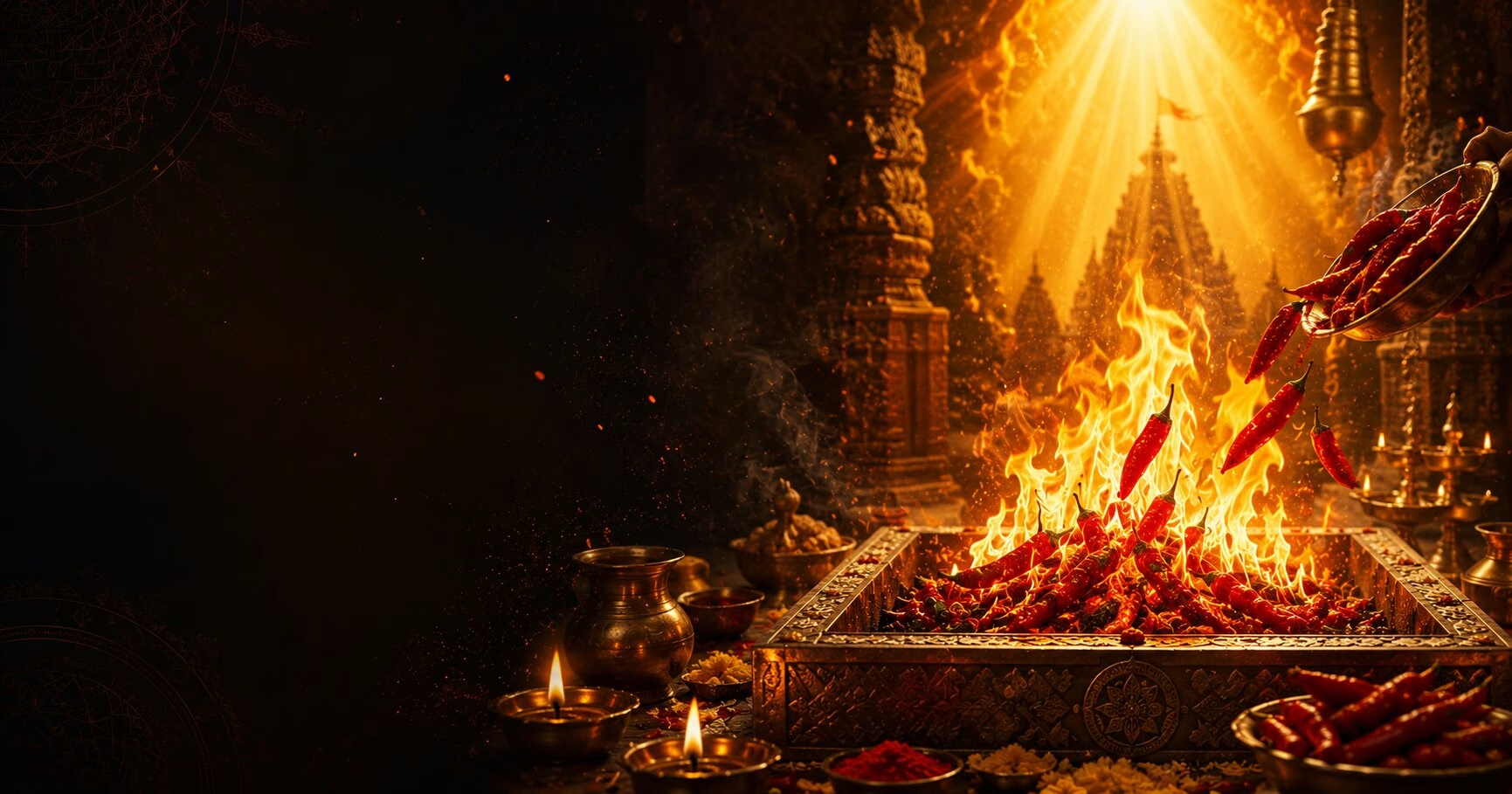
Red chillies are symbolic for this particular havan. Their intense, sharp nature is believed to symbolize an "burning away" of negative energy, jealousy and negative intentions directed towards the person. The practice of putting mirchi into the holy flame, in conjunction with specific mantras for goddess Baglamukhi is believed to help reverse or diminish the negative effects emitted by the enemy.
Who Can Benefit From This Havan
This kind of ritual is frequently requested by:
- Employees who face unjust treatment or discrimination in their workplace
- People who are dealing with legal disputes or false accusations
- Business owners confronted by competitor attacks
- Families or property owners who are dealing with disputes
- People who feel drained from continuous negativity emanating from a certain person
Common Challenges People Face
Many people are reluctant to seek help due to uncertainty about whether their troubles are due to actual opposition or simply bad luck. Many people are concerned that such rituals can promote negative energy. It is important to recognize that shatru stambhan's goal is protection and not aggressive. it's goal is peace, not revenge.
How the Process Works
The ritual of a Baglamukhi mirchi havan for shatru stambhan usually begins with the purification of the space in the havan which is followed by the an invocation to Goddess Baglamukhi by chanting mantras. The priest or the practitioner puts dried red chillies in the flame while reciting specific beej mantras. These are then repeated over and over (often at least 108 times). The ritual is typically performed on a Tuesday, or during the auspicious muhurat to ensure maximum efficiency. The ceremony concludes with prayers of protection and resolution of conflicts.
Practical Tips Before Performing the Havan
- Find a priest who is specialized with Baglamukhi worship, since it is a mantra and rite order are important.
- Maintain your mental clarity and pure intention The ritual is designed to safeguard and not cause harm to.
- Choose a day with a positive vibe that is preferably an evening on Tuesday, for greater alignment with the energy of the gods.
- Avoid doing this havan because of anger Take it on in a calm, solution-focused mental attitude.
- Use it in conjunction with patience spiritual cures usually work in tandem with the practical efforts.
Many practitioners also suggest having this havan paired in conjunction with regular meditation sessions or the chanting of the Baglamukhi mantra at home in order to increase its benefits in the course of time.
Conclusion
It is believed that the Baglamukhi mirchi havan for shatru stambhan is still a favorite practice for those who seek relief from constant enemies, unfair treatment or a hidden opposition. It is rooted in the long-standing Vedic traditions, the practice provides the spiritual path to regain peace and trust in challenging situations. If you're experiencing ongoing conflicts seeking help from an experienced astrologer or priest will help you determine if this solution is compatible with your goals.
FAQS
1. What is Baglamukhi mirchi havan for shatru stambhan used for?
The Baglamukhi mirchi havan for shatru stambhan is performed to control, silence, or neutralize the negative actions of enemies, rivals, or ill-wishers. It is believed to stop false accusations, workplace politics, and hidden opposition without causing harm to anyone.
2. How many days does it take to see results from shatru stambhan puja?
The time frame varies from person to person, depending on the intensity of the situation and faith in the process. Many practitioners report noticing gradual relief within a few weeks, though spiritual remedies generally work best alongside patience and consistent effort.
3. Can Baglamukhi havan be performed for legal disputes and court cases?
Yes, many people specifically seek the Baglamukhi mirchi havan for shatru stambhan during legal disputes, property conflicts, or false litigation, as it is believed to help reduce opposition and bring favorable resolution over time.
4. Is it necessary to consult a priest for mirchi havan, or can it be done at home?
While simple prayers can be done at home, the Baglamukhi mirchi havan for shatru stambhan involves specific mantras and ritual procedures that are best performed under the guidance of an experienced priest to ensure correct pronunciation and sequence.
5. What is the best day to perform Baglamukhi havan for enemy protection?
Tuesday is traditionally considered the most auspicious day for performing this havan, as it aligns with the energy associated with Goddess Baglamukhi. Some practitioners also choose specific muhurats recommended by an astrologer for enhanced effectiveness.
Share this wisdom: